A box of sweets on a desk does two jobs at once. It says thank you, and it says we noticed you. Get it wrong and it says something else entirely: pralines for the colleague with a nut allergy, milk chocolate for the vegan in accounts, one shared tin that nobody quite wants to dip into. Corporate confectionery is a small purchase with a long list of decisions attached — allergens, diets, delivery, presentation. Here is a practical checklist for getting them right, whether you are ordering twelve boxes for staff or two hundred for clients.
Start with the recipient, not the ribbon
Staff gifts and client gifts are different purchases. Staff boxes go to individuals, so they need variety: a nut-free version here, a vegan one there, something plain for the person who does not like dark chocolate. Client boxes are usually shared, which means they sit in a reception area or meeting room and get picked at by people whose diets you know nothing about.
Ask about dietary requirements before you order, not after. A short form sent privately — or a line added to an existing staff survey — works far better than a message in a group chat, where nobody wants to be the one explaining an allergy or a faith-based diet in front of everyone. Set a reply deadline, and accept that some people will not answer at all.
Nut-free: the questions worth asking a maker
"Nut-free" on a box can mean several different things. Before you commit to a large order, ask the supplier directly:
- Which nuts are handled on site — peanuts, tree nuts, or both?
- Are nut-free items made on separate lines, or on shared equipment after a deep clean?
- Do their ingredient suppliers guarantee no nut handling?
- Can they provide a written allergen statement to keep on file?
Watch for the usual hiding places: praline centres, nougat, marzipan, and chocolate made on the same lines as nut-filled bars. Precautionary "may contain nuts" labelling is voluntary, and the real-world risk it describes varies considerably between makers. Whether a particular box is safe for a particular person is a decision for them and their clinician — not for whoever happens to be ordering the gift. If the answer is unclear, choose a different product rather than guessing.
Vegan boxes: read past the cocoa
Vegan is not the same as dairy-free, and it is certainly not the same as allergen-free. Dark chocolate often contains traces of milk, and some brands add butter oil or milk powder for texture. Gummies and marshmallows are the other common trap: gelatine, usually beef or pork, is standard, with pectin or modified starch used in the plant-based alternatives. Shiny-coated sweets may be finished with shellac, and red sweets sometimes owe their colour to carmine. Honey and beeswax rule out otherwise plant-based selections.
Two vegan chocolates can carry very different allergen risks, so treat "is it vegan?" and "is it safe for this person?" as two separate enquiries.
Sugar-free: smaller boxes, clearer labels
Polyols — sorbitol, maltitol, xylitol, isomalt — appear in most sugar-free sweets, and eaten in quantity they can cause bloating and a laxative effect. A large box is not a sensible portion for one person, so consider smaller boxes or a mixed selection where only part is sugar-free.
One point worth flagging in any workplace where dogs visit: xylitol is toxic to dogs, even in small amounts. Ask people to keep sugar-free sweets out of reach and to bin wrappers properly.
Anyone managing diabetes, blood sugar or a medical diet should take advice from their GP or a dietitian rather than relying on a gift box, however carefully chosen.
Boxes that actually get shared
For a communal box or tin, look for:
- Individually wrapped sweets rather than loose ones in a bag
- A resealable box or tin that can sit out for a few days
- A mix of textures — something fruity, something chocolate, something plain
- Nothing that needs cutting, chilling or plating up
- Chocolate that survives a warm delivery van, or a supplier who ships with cool packs
Alcohol-filled chocolates and liqueur truffles cause more awkwardness than delight in an office. If you include them, label them clearly and keep them in a separate box.
Presentation, paperwork and delivery
Personalised name cards go down well on staff boxes. For clients, a branded sleeve or ribbon is usually cheaper than printing on the chocolate itself and easier to refresh next year. Keep the paperwork: order confirmation, full ingredient and allergen list, and batch details where the supplier provides them. Make sure someone will be in to receive the delivery, and check whether reception closes before the courier arrives. Chocolate left on a doorstep in June is a wasted gift.
A checklist before you order
- Confirm who is receiving a box, and how many you need.
- Ask about dietary requirements privately, with a clear reply deadline.
- Choose a nut-free range and ask how it is produced, not just what is in it.
- Check vegan items for milk, gelatine, shellac, honey and carmine.
- Keep sugar-free selections small, and keep xylitol away from dogs.
- Choose individually wrapped, resealable formats for shared boxes.
- Get allergen information in writing and file it with the order.
- Sample one box before committing to a large run.
- Confirm the delivery date, address and a named contact — then add around ten per cent spare boxes.
A sample box and two or three emails will save you a great deal of awkwardness later. If a specific allergy is involved, ask the maker directly and encourage the recipient to check with their own healthcare professional before eating anything. Getting this right is not complicated; it just takes a few questions before you click order.
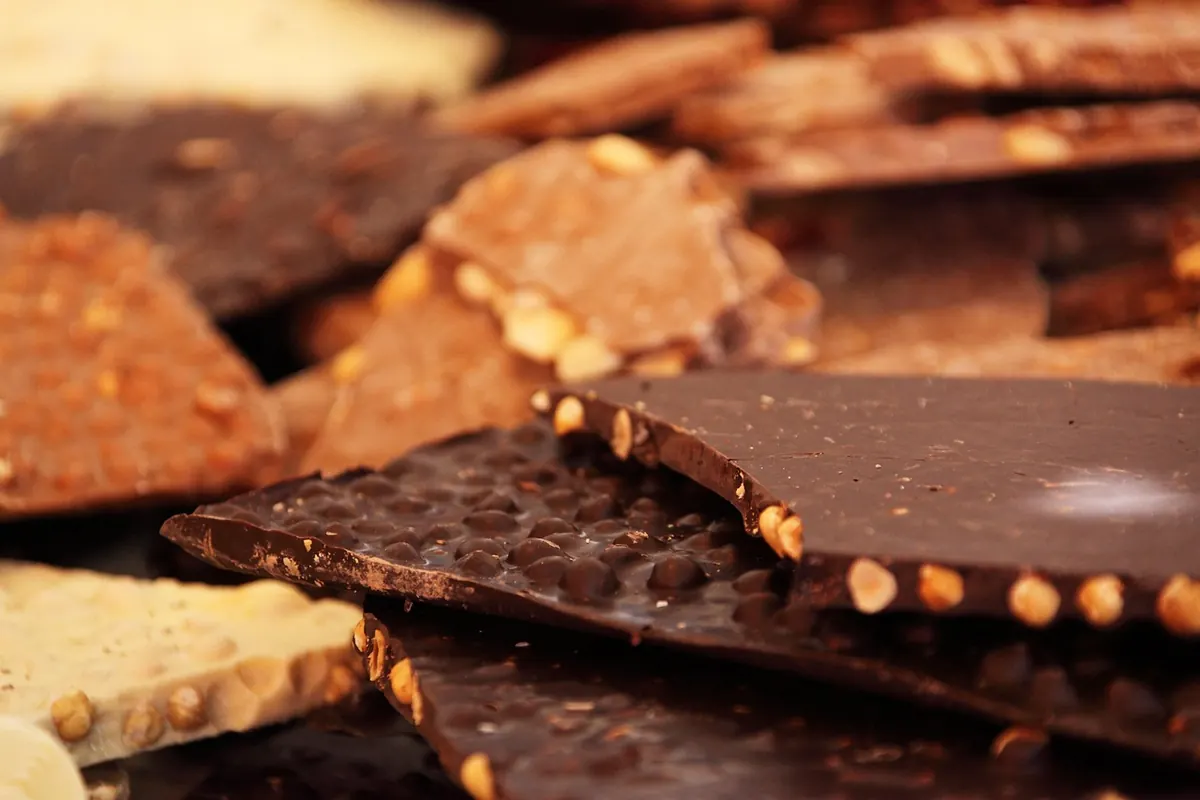
Photo: George Dolgikh / Pexels