A good dinner can be undone by the wrong mint. Too fierce and it strips the last of the wine from your palate; too sweet and it sits heavily on top of pudding. The right one does something quietly useful: it freshens the mouth, rounds off the meal and gives everyone a reason to linger at the table for another ten minutes.
Choosing well comes down to three things — strength, texture and what you are serving alongside. Get those in the right order and a bowl of mints stops being an afterthought and starts earning its place.
Start with strength, not sweetness
Mint strength is mostly about which mint you are using. Peppermint is sharp and cooling, driven by menthol; spearmint is softer, sweeter and rounder. Most mass-market mints sit somewhere between the two, often leaning peppermint because it reads as "clean".
Match the intensity to what came before it:
- After rich, fatty food — roast lamb, steak, a creamy gratin — a firm peppermint is welcome. It cuts through the coating on the tongue.
- After something delicate — grilled fish, a light salad, a fruit dessert — a strong peppermint flattens everything. Go spearmint or a chocolate mint with a gentle centre.
- After a very sweet pudding — sticky toffee, treacle tart, anything with caramel — choose the sharper, less sugary end of the range. More sugar is the last thing the table needs.
A useful rule: the heavier the meal, the more assertive the mint can be. If you are unsure, err milder. Nobody has ever complained that a mint was too subtle.
Texture decides how the evening ends
Texture is the part people notice without realising. A soft fondant melts and disappears; a hard shelled mint keeps working for ten minutes. Think about how long your guests will actually sit.
- Fondant-centred chocolate mints — soft, sweet, easy. The safe choice for a mixed table.
- Hard sugar-shelled mints — long-lasting and good with coffee, though they can be noisy in a quiet room.
- Compressed dextrose mints — chalky, quick-dissolving and quite sharp. Excellent with espresso, but do not chew them.
- Chewy or gum-based mints — long-lasting, but they leave a residue and feel casual. Fine for a kitchen supper, less so after a proper dinner.
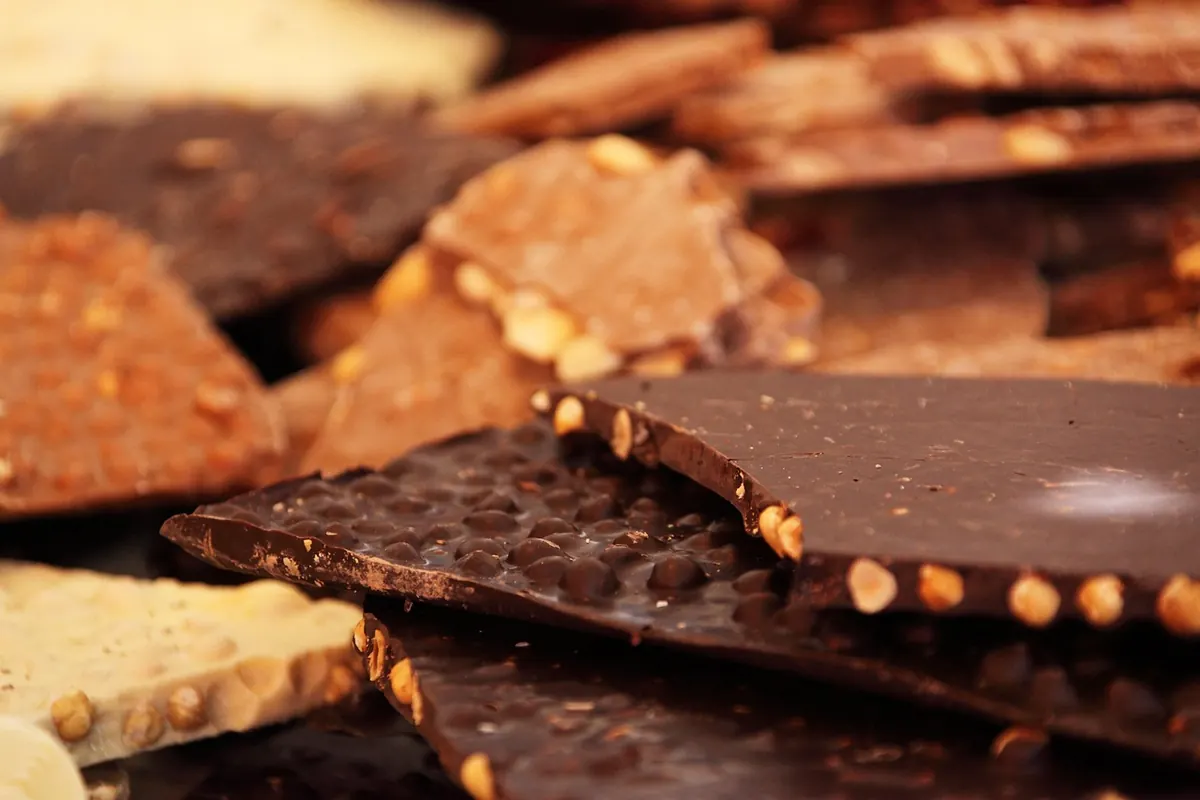
- Chocolate thins and bark — a clean snap, then a slow melt. Elegant, and easy to portion.
If the plan is a long, chatty evening, hard mints earn their place. If you want the table cleared and the mood to shift, a fondant mint does the job faster.
Pairing with coffee, tea and everything after
Coffee
Espresso is dense and bitter, so it needs a mint with backbone: a high-cocoa dark chocolate mint, or a cool, strong peppermint. A delicate milk chocolate mint simply vanishes next to it.
Filter coffee and cafetière are softer and more aromatic. Spearmint or a milk chocolate mint sits nicely alongside without a fight.
Cappuccino, latte and hot chocolate coat the palate with milk fat. Choose something firm and slightly crunchy, or the mint will never get through.
Tea
Peppermint tea with a peppermint chocolate is doubling up — pleasant for some, monotonous for most. If tea is the drink, a plain chocolate mint or a mild spearmint works better. With herbal infusions such as chamomile or fennel, keep the mint gentle; both are already soft, fragrant finishes.
One practical tip: serve the drink first, the mint second. A mint eaten before coffee makes the coffee taste thin.
Matching the chocolate
Cocoa percentage is the lever here. Higher-cocoa chocolate carries more mint before it turns medicinal, which is why dark chocolate and peppermint is such a durable pairing. Milk chocolate suits sweeter spearmint. White chocolate is the sweetest of the three, so serve it in small pieces, well chilled, or beside a strong espresso to balance it out.
Watch for repetition, too. If pudding was a chocolate fondant, a chocolate mint is the third chocolate of the evening. A plain sugar-shelled mint or a simple fondant gives the palate a break.
Also think about temperature. Chocolate mints straight from the fridge taste dull — cold mutes aroma and firms the cocoa butter so it never melts properly. Take them out twenty minutes before serving.
Digestive needs and the people at your table
Mints have been served after dinner for generations because they freshen the breath and many people find them settling. A few sensible caveats are worth knowing.
Some people find strong peppermint makes heartburn or reflux worse, because it can relax the muscle at the top of the stomach. If anyone at the table is prone to that, offer spearmint or a plain chocolate mint instead. Sugar-free mints sweetened with polyols — sorbitol, xylitol, maltitol — can cause bloating or a laxative effect when eaten in quantity, and the packaging normally carries a warning about it. Keep portions modest.
A mint is a treat, not a treatment. If you or a guest have ongoing digestive trouble, that is a conversation for a pharmacist or GP rather than something to solve with a bowl of sweets. For a genuinely gentle finish, mint tea or hot water with a slice of lemon is kinder than a sugar-heavy mint — and a glass of water does more for breath than mint does.
Building a small after-dinner selection
- Decide how long people will sit. Long evening: hard mints and bark. Quick finish: fondants.
- Pick two strengths, not five. One firm peppermint, one gentle spearmint. Everyone finds a favourite.
- Pick two textures. Something soft and something with a snap gives the bowl variety without clutter.
- Match the drink. Espresso with dark; tea with milk chocolate or spearmint.
- Portion sensibly. Three or four small pieces per person is generous. Refill rather than overfill.
- Serve at room temperature and put water on the table at the same time.
Buy in small quantities and rotate. Mints absorb odours and go sticky in warm cupboards, and a chalky, stale mint undoes all your careful pairing in one bite.
Serving with confidence
If you remember nothing else: match the mint to the weight of the meal, keep the choice to two or three types, and put the drink first. A dark chocolate peppermint after steak and espresso, a soft spearmint fondant after fish and tea, and a plain, sharp mint after a heavy pudding will cover almost every dinner you are likely to host.
Buy a little more than you need. The bowl gets passed twice, and the second pass is usually the one people remember.
Photo: Nennieinszweidrei / Pixabay