You buy a bag of boiled sweets, tip them into a jar on the windowsill, and three weeks later they have fused into a single sticky brick. The chocolate has gone dull and grey. The marshmallows feel like gravel. None of that is bad luck. Sweet storage goes wrong for a handful of predictable reasons, and most of them come down to the way British kitchens behave: bursts of steam, radiators that come on at six, a window that turns a worktop into a greenhouse by mid-afternoon.
The good news is that fixing it takes very little effort. A few containers, a better shelf, and a bit of honesty about what you will actually eat in the next fortnight.
What actually spoils sweets
Confectionery is mostly sugar, fat, gelatine or starch, plus flavourings and colours. Each of those reacts to its surroundings in a different way, which is why one storage rule never covers everything in the tin.
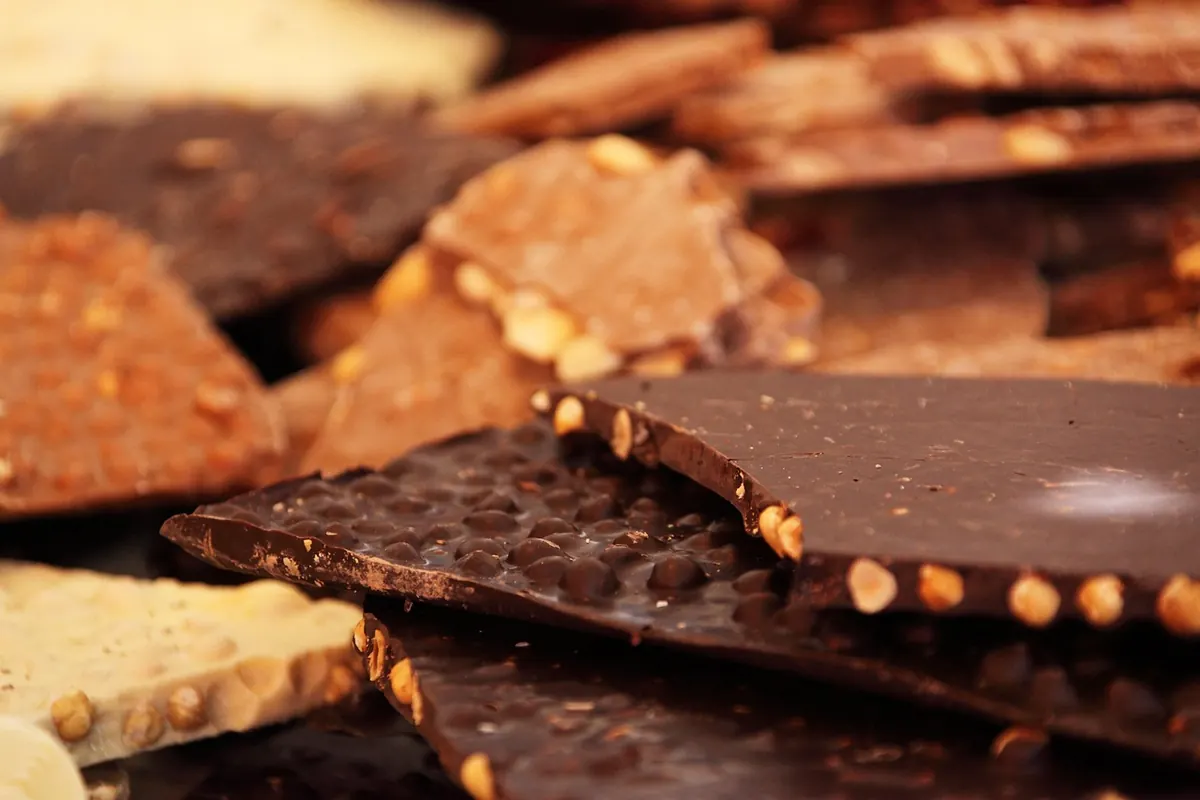
- Heat. Chocolate softens, cocoa butter separates and migrates to the surface, and you get a pale, streaky finish known as fat bloom. Toffee slumps. Gums go soft and clump.
- Moisture. Sugar grabs water from the air. Boiled sweets and fudge turn tacky, then grainy or syrupy. Chocolate exposed to damp develops sugar bloom, where surface sugar dissolves and recrystallises into a dull white film.
- Air. Marshmallows, liquorice, fudge and coconut sweets dry out and harden. Fats in nutty or chocolate items can turn stale over months.
- Light and smells. Sunlight warms and fades colours, and fats absorb whatever is nearby. A mint stored beside a bag of coffee will taste of coffee.
Both types of bloom are harmless, just disappointing. Sticky sweets are still edible, though they will never quite return to how they started.
Mistake one: one jar for everything
The decorative jar on the shelf is usually the worst offender, because it holds chocolate, mints, gums and a stray toffee in a warm, humid pocket of air. Flavours migrate, textures clash, and one damp sweet speeds up the decline of everything around it.
Group by type instead
Keep chocolate apart from strong flavours. Keep soft items, such as marshmallows and Turkish delight, in their own sealed container. Boiled sweets and hard gums can share, as long as they are genuinely dry. Mints and aniseed should live alone, and anything with nuts or a strong savoury note should be sealed and kept well away from the rest.
Mistake two: putting chocolate in the fridge
It feels sensible on a hot day, but a fridge is a damp, smelly place. Every time you take the bar out, condensation forms on the cold surface, and that moisture sits right where you do not want it. Chocolate also picks up fridge odours with surprising enthusiasm.
For everyday eating, a cool, dark, dry cupboard is better: away from the oven, not above the kettle, and not on a sunny shelf. Somewhere steady is more important than somewhere cold. If your kitchen genuinely gets too warm in summer, wrap the chocolate tightly, seal it in a tub, and keep it in the fridge rather than letting it melt. Bring it out and leave it wrapped for twenty minutes before opening, so the condensation lands on the wrapper instead of the chocolate. For long storage, freezer bags with the air pressed out work well; defrost in the wrapping.
Mistake three: trusting an open bag
A folded-over bag with a plastic clip is not airtight, and paper bags from a pick-and-mix stall are worse. Sweets left in them slowly take on the humidity of the room.
Transfer anything you have opened into a container that actually seals. Glass jars with a rubber gasket do this well; many clip-top jars sold for decoration are only dust covers, so check the gasket is soft and the lid pulls down firmly. Tins with tight-fitting lids are fine for boiled sweets and biscuits. If you love a particular jar and it does not seal, put the sweets in a small freezer bag first, squeeze out the air, then drop the bag inside.
One caution: keep small silica gel sachets, if you use them, well out of reach of children and pets, and never let them touch the sweets directly.
Mistake four: storing sweets in the kitchen's wet zones
Think about where steam goes. Above the kettle, beside the sink, next to the dishwasher, under the extractor hood, on the shelf where the pasta pan boils. All of these are humid spots, and humidity is what turns a bag of sherbet lemons into a sticky mass.
Move confectionery to a genuinely cool cupboard, ideally a lower shelf that is not right against an outside wall in a cold snap and not directly beside the boiler or radiator. A hallway cupboard or a pantry beats the busiest corner of the kitchen every time.
Mistake five: buying in bulk and losing track
A good deal on a large tub is only a bargain if it gets eaten before the quality drops. Decant a fortnight's worth into a small sealed jar for everyday reaching, and keep the rest sealed, dark and undisturbed. Label the container with what it is and the date you opened it.
Eat older stock first. Best-before dates on sweets are a guide to quality rather than safety, so use your senses: if something smells off, has visible mould, or has been invaded by pantry moths, bin it. And if someone in your household has a food allergy, keep those sweets in a clearly labelled separate container with its own scoop.
A ten-minute storage reset
Pick one cupboard shelf and sort it properly. It really is a ten-minute job.
- Empty the shelf, wipe it, and let it dry completely before anything goes back.
- Group sweets by type and by how quickly they will be eaten.
- Match each group to the right container: sealed jar or tin for hard sweets, tight tub for chocolate, freezer bag plus tub for anything soft.
- Label with contents and the date, especially for bulk buys and homemade fudge.
- Choose a shelf away from the kettle, sink, hob, radiator and direct sun.
- Keep a small "open now" box for everyday treats, and refill it from the main stash.
Do that once, and the next bag of sweets you open will still taste like the day you bought it. Which, frankly, is the whole point.
Photo: Mrdidg / Pixabay